DesireCrush.com






Digital character design has long been an integral component of the way people tell stories using digital media.
Regardless of whether characters appear in video games, cartoons, drawings, movies, and other media, audiences can become emotionally connected to worlds that feature such characters. The physical appearance of digital characters can stick in people’s minds, but usually characters are remembered for the kind of personality created, style overall, and the emotion creators wanted to communicate.
For years, designers have been developing characters based on existing (popular) trends. Many times, what becomes popular at first is then carried over into other areas of media. While many of today’s character designs follow current trends, as well as are still widely appealing to audiences, many fans are now starting to look for a greater variety of both characters and visual identity.
Artificial Intelligence (AI) is assisting in this transition.
AI-powered creative tools are currently assisting designers/creators in developing digital characters differently than before. This is because designers/creators are able to try more varied approaches to both the design/appearance and storytelling aspects of digital characters. Rather than solely rely on tried-and-true formats/templates to create digital characters, designers/creators can now take advantage of experimenting with completely new concepts/designs and ultimately find different ways to approach creating digital characters.
Platforms such as AI BBW porn demonstrate how AI technology can be utilized to develop more diversity when creating character concepts as well as provide more options for creators who utilize digital creation platforms.
Character Design Is More Than Visual Appearance
A character that will be remembered is made by many things.
While appearance has some effect on creating a memory of a character, there are other parts to creating a character, such as personality, environment, style, and presentation. Each of those components creates an audience’s perception of a character.
Each small detail can make a big difference in the end.
How a character dresses may give clues to what kind of person they are. The expression on their face can determine the mood of the scene. What is around them gives the audience a sense of where they fit into the story.
With AI, you can now use all of those things at once to create your characters.
You no longer have to look at character development as simply making one choice. With AI-assisted development, you can try out multiple combinations and see how each component affects how the entire picture comes across.
Moving Beyond Repeated Character Patterns
Many digital characters are influenced by successful trends.
This is natural in creative industries. Popular designs often inspire new ideas, and certain styles become widely recognized.
However, relying too heavily on familiar patterns can sometimes limit experimentation.
AI introduces a different approach by allowing creators to explore a wider range of concepts. Different body types, styles, and visual themes can be combined in new ways, creating characters that feel distinct.
This does not mean replacing existing creative styles. Instead, it creates more opportunities for different types of characters to exist within digital spaces.
The Role of AI in Visual Experimentation
Experimentation is critical throughout any creative process. Artists usually produce multiple versions of a design before arriving at the final result. They try out different colors, shapes, and styles to find out what works best. AI speeds up this process too. Creators can look at different variations of a concept and figure out which elements create the strongest connection. Small changes in design can completely alter how characters feel. This quick ability to explore different possibilities also spurs more creative thinking.
Creating Characters With Stronger Identity
A character becomes memorable when they have a clear identity.
This identity comes from the combination of visual and emotional elements. A character’s design should communicate something about who they are, even before the audience knows their story.
AI tools allow creators to focus more on these connections.
Instead of only thinking about how a character looks, creators can explore how different design choices influence perception. The process becomes more focused on building a complete concept rather than creating an isolated image.
AI and the Growth of Digital Storytelling
Digital storytelling continues to evolve.
Early forms of online content were mostly static. Over time, technology introduced animation, interactive media, and user-generated platforms.
AI represents another step in this progression.
By helping creators develop characters and visual concepts more efficiently, AI is making digital storytelling more flexible. It allows more ideas to be explored and gives creators additional ways to develop fictional worlds.
The technology is not replacing traditional creative skills. Instead, it is becoming another tool that works alongside human imagination.
A New Era of Creative Possibilities
The future of Character Design is going to be more experimental and varied.
As AI tools become more advanced, there are going to be even more opportunities for creators to investigate concepts they would not have had time or resources to create with their traditional workflow.
More diversity in digital environments is possible so that various styles, looks, and character ideas can coexist.
Examples such as AI BBW Porn show just how much potential exists for creating new approaches to developing characters and telling stories visually through AI-powered creative mediums.
Final Thoughts
Character Design has always evolved with technological advancements and cultural trends.
Artificial Intelligence (AI) is a component of this ongoing evolution as it creates new forms of digital character exploration and conceptualization. The use of AI in developing characters for digital media enables developers to experiment with different character designs, find new visual aesthetics, and create some form of concept development that might not have occurred without the aid of AI.
It’s not about replacing traditional methods of developing a character or story, but rather providing a developer with additional tools to enhance their ability to bring ideas into reality.
In the continued advancement of Artificial Intelligence, character creation will continue to evolve as one of the most flexible components of digital storytelling.


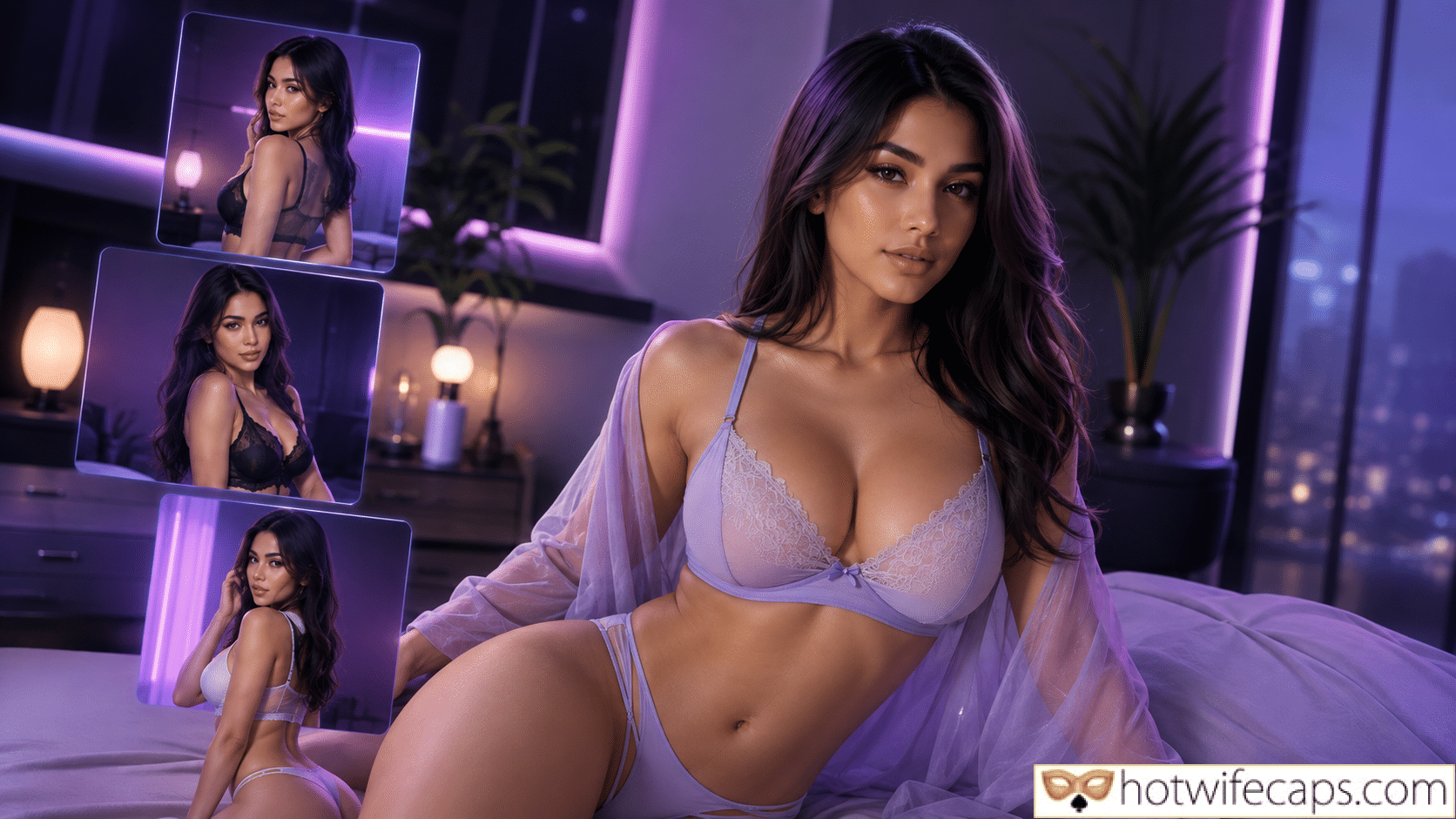
Beyond Static Content: How AI Is Creating More Dynamic Digital Experiences


The Rise of AI-Generated Adult Content: A New Era of Digital Fantasy


From Fantasy to Reality: The Rise of Digital Sex Platforms



AI Undresser: Transform Your Photos Instantly


From Fantasy to Furry: How AI Is Powering a New Era of Erotic Art



Exclusive Fantasies: Why Private Communities Are the Future of Adult


AI for Adults: Your Private Guide to Digital Entertainment



Why Personalization Is Driving the Growth of AI Companion Apps