


 DesireCrush.com





An AI undresser is a generative image tool that alters a clothed photo to produce a synthetic nude or partially nude result. These services use trained image models to predict body areas hidden by clothing, so the output is invented rather than a genuine view of the person. The technology can overlap with face swapping, synthetic video, and other forms of AI image editing. Because results can look realistic, consent and privacy matter as much as image quality.

What AI Undresser Apps Actually Do
Most AI nudification apps follow a similar pattern: a photo is uploaded, a model analyzes visible body shape and clothing boundaries, and a new image is generated from learned visual patterns. The software does not reveal what was under the clothing. It creates a synthetic interpretation.
Some services combine several tools in one browser-based workspace. For example, the site linked under the term undress porn lists static AI-undress editing, face swaps, deepfake scene tools, short video generation, resolution controls, and temporary private history. Its rules state that the service is meant for consenting adults and that photos of people who did not consent should not be uploaded.
Common features may include:
- still-image generation from uploaded photos;
- body, clothing, or scene controls;
- face replacement and synthetic scene creation;
- short AI-generated video clips;
- paid credits, free trials, or limited daily use;
- temporary storage or account-based history.
These functions raise more serious questions than ordinary retouching because outputs may portray a real person in an intimate context that never occurred.
Main Privacy and Consent Risks
The largest risk comes from creating synthetic intimate images of a real person without permission. A believable fake can be copied, reposted, used for harassment, or taken out of context. The person shown may lose control over where it spreads once files leave the original service.
Upload privacy is another concern. A service may say that files are encrypted or deleted after a short period, but users should still check the privacy policy, retention period, account controls, and deletion process before submitting sensitive material. Private photos can contain faces, location clues, metadata, and other identifying details.
Laws are also changing. In the United States, the FTC explains that image-based abuse can include AI-generated or digitally altered intimate material shared without consent. Its information on image-based abuse explains reporting and removal options for affected people. Local law may impose separate civil or criminal rules, so consent to create an image should not be treated as permission to publish it.
How to Use These Tools Responsibly
Responsible use starts with explicit permission. If a real person appears in the source photo, they should know what type of edit will be created and how the result may be stored or shared. Consent for taking a normal photo is not the same as consent for making an intimate synthetic version.
Never use images of minors. Do not use photos taken from social media, dating profiles, private chats, or public websites without the subject’s permission. Do not publish, sell, threaten to share, or send synthetic intimate material to embarrass someone. If consent is withdrawn, delete the source and generated files where possible.
Users should also avoid entering unnecessary personal data. Use strong account security, and remove generated material from cloud folders or shared devices when it is no longer needed. These steps reduce exposure if an account or device is later accessed by someone else.
Limits of AI-Generated Results
An AI undresser does not reconstruct hidden reality. It predicts pixels based on patterns learned during training. That can produce incorrect anatomy, inconsistent skin texture, distorted hands, mismatched lighting, or body features that do not resemble the real subject.
This distinction matters because realistic output can still be false. A generated image should never be presented as photographic evidence or as a genuine intimate photo of another person. Labels or other context may be appropriate when synthetic media is shared with consenting adults.
Quality can vary by source photo, model version, compression, pose, and lighting. A polished result should not be confused with accuracy. The more convincing an edit looks, the more important it is to keep clear records of consent and avoid misleading distribution.
Choosing Safer AI Image Tools
Before using any service, review its age rules, consent policy, moderation process, data-retention terms, deletion controls, and contact options. A responsible service should explain how uploaded photos are handled and what happens when content is reported.
The safest standard is simple: use your own images or material from adults who have clearly agreed to this specific kind of editing. Treat every generated result as sensitive media. Deepfake privacy and consent-based image editing are not side issues; they are the main conditions that determine if this technology is being used responsibly.



Free AI Porn Generation: What You Can Create With Daily Credits



Detecting AI-Generated Adult Content: Tools and Techniques for Content Verification



Best AI Porn Generator: 3 AI Porn Sites Put to the Test



Best AI Sexting Apps: 3 Sex Chat Sites I Put Through a Real Chat Test



AI Roleplay Memory Explained: Context, Lorebooks, and Character Consistency


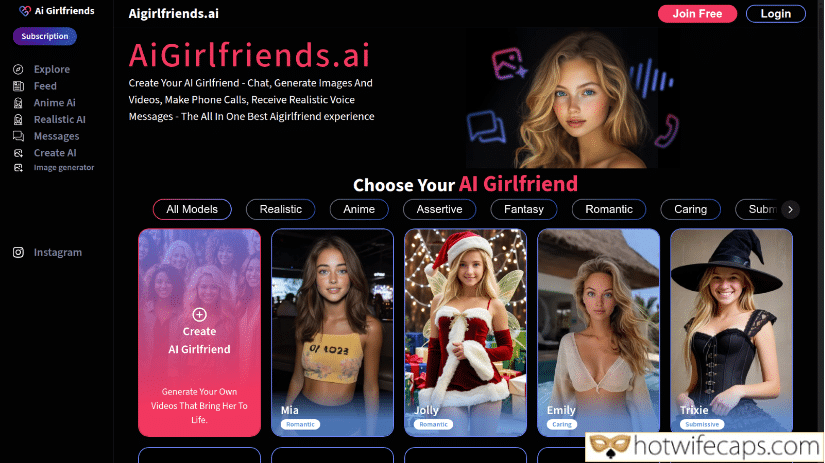
Best NSFW AI Girlfriend Apps and Websites in 2026


Finding Escorts Safely Through Picture Verification



Why Personalization Is Driving the Growth of AI Companion Apps


